We have uncovered the article on Plumbing Installation 101: All You Need to Know down the page on the web and think it made perfect sense to quickly share it with you on this site.
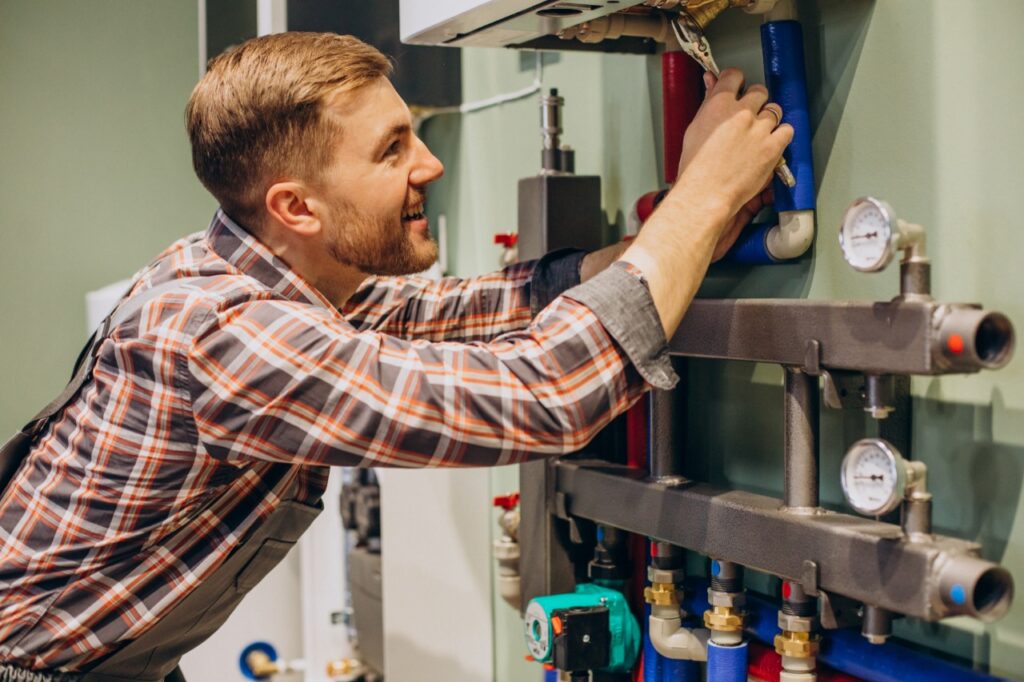
Comprehending exactly how your home's pipes system works is essential for every home owner. From delivering clean water for alcohol consumption, food preparation, and bathing to safely eliminating wastewater, a well-maintained pipes system is vital for your household's health and wellness and comfort. In this detailed guide, we'll explore the intricate network that composes your home's pipes and offer tips on maintenance, upgrades, and handling usual concerns.
Intro
Your home's plumbing system is more than simply a network of pipelines; it's a complicated system that guarantees you have access to tidy water and reliable wastewater removal. Knowing its parts and just how they collaborate can assist you stop expensive repair services and guarantee everything runs efficiently.
Basic Parts of a Plumbing System
Pipes and Tubing
At the heart of your pipes system are the pipelines and tubing that carry water throughout your home. These can be constructed from different products such as copper, PVC, or PEX, each with its benefits in terms of durability and cost-effectiveness.
Fixtures: Sinks, Toilets, Showers, and so on.
Fixtures like sinks, bathrooms, showers, and bathtubs are where water is made use of in your home. Comprehending just how these fixtures connect to the plumbing system aids in detecting troubles and preparing upgrades.
Valves and Shut-off Factors
Valves control the circulation of water in your pipes system. Shut-off valves are critical during emergencies or when you need to make repair work, enabling you to isolate parts of the system without interfering with water flow to the whole house.
Water System System
Main Water Line
The major water line connects your home to the local supply of water or a private well. It's where water enters your home and is distributed to different components.
Water Meter and Pressure Regulator
The water meter actions your water use, while a stress regulator makes certain that water flows at a secure stress throughout your home's pipes system, preventing damage to pipes and components.
Cold Water vs. Warm water Lines
Recognizing the distinction between cold water lines, which supply water directly from the main, and warm water lines, which carry warmed water from the hot water heater, helps in fixing and preparing for upgrades.
Drain System
Drain Water Lines and Traps
Drain pipelines carry wastewater away from sinks, showers, and toilets to the drain or septic system. Catches prevent drain gases from entering your home and likewise catch particles that can create blockages.
Air flow Pipelines
Ventilation pipes allow air right into the drain system, preventing suction that might slow drain and cause catches to vacant. Proper air flow is important for preserving the stability of your plumbing system.
Significance of Appropriate Water Drainage
Making certain proper drainage prevents backups and water damage. On a regular basis cleansing drains and preserving catches can prevent pricey repair work and prolong the life of your plumbing system.
Water Heater
Sorts Of Hot Water Heater
Hot water heater can be tankless or typical tank-style. Tankless heating systems warmth water on demand, while tanks store heated water for immediate use.
Exactly How Water Heaters Link to the Plumbing System
Understanding how water heaters connect to both the cold water supply and hot water distribution lines assists in identifying problems like inadequate warm water or leakages.
Upkeep Tips for Water Heaters
Consistently purging your hot water heater to get rid of debris, examining the temperature level settings, and examining for leaks can extend its lifespan and enhance energy performance.
Usual Pipes Issues
Leaks and Their Causes
Leakages can happen because of aging pipelines, loose fittings, or high water pressure. Resolving leaks quickly avoids water damage and mold and mildew development.
Clogs and Blockages
Blockages in drains pipes and bathrooms are typically caused by purging non-flushable products or a buildup of grease and hair. Making use of drain displays and bearing in mind what drops your drains pipes can avoid clogs.
Indicators of Plumbing Troubles to Look For
Low water pressure, slow-moving drains, foul odors, or unusually high water costs are indications of prospective plumbing troubles that need to be resolved promptly.
Pipes Maintenance Tips
Normal Inspections and Checks
Schedule yearly plumbing evaluations to capture problems early. Seek signs of leaks, rust, or mineral buildup in faucets and showerheads.
Do It Yourself Maintenance Tasks
Basic jobs like cleansing faucet aerators, looking for commode leaks utilizing color tablets, or shielding exposed pipes in chilly environments can avoid significant plumbing problems.
When to Call a Professional Plumbing Technician
Know when a pipes issue needs specialist competence. Trying complex repair services without correct expertise can lead to more damage and higher fixing expenses.
Upgrading Your Pipes System
Reasons for Upgrading
Upgrading to water-efficient components or changing old pipelines can enhance water top quality, reduce water costs, and boost the value of your home.
Modern Plumbing Technologies and Their Benefits
Check out modern technologies like clever leakage detectors, water-saving bathrooms, and energy-efficient hot water heater that can conserve cash and minimize ecological influence.
Price Considerations and ROI
Compute the upfront costs versus long-term savings when considering plumbing upgrades. Many upgrades pay for themselves with minimized utility expenses and fewer repair work.
Environmental Effect and Conservation
Water-Saving Fixtures and Appliances
Installing low-flow faucets, showerheads, and toilets can significantly decrease water usage without sacrificing efficiency.
Tips for Lowering Water Use
Basic routines like dealing with leakages immediately, taking shorter showers, and running full lots of washing and meals can save water and lower your utility costs.
Eco-Friendly Pipes Options
Think about sustainable plumbing products like bamboo for floor covering, which is durable and green, or recycled glass for counter tops.
Emergency Preparedness
Actions to Take During a Plumbing Emergency
Know where your shut-off shutoffs are located and how to switch off the water system in case of a burst pipeline or significant leak.
Importance of Having Emergency Situation Get In Touches With Useful
Maintain get in touch with information for local plumbers or emergency situation services conveniently available for fast action throughout a plumbing situation.
DIY Emergency Situation Fixes (When Appropriate).
Temporary solutions like utilizing duct tape to patch a dripping pipe or placing a container under a dripping faucet can decrease damage up until a professional plumbing technician arrives.
Final thought.
Recognizing the makeup of your home's plumbing system equips you to maintain it efficiently, conserving time and money on repair work. By adhering to normal maintenance routines and remaining educated about contemporary pipes innovations, you can guarantee your plumbing system operates effectively for several years to come.
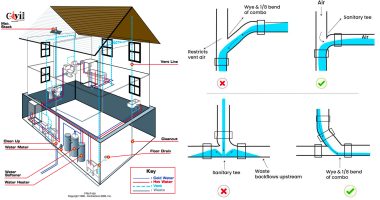
HOW YOUR PLUMBING SYSTEM WORKS
Which Pipes Do What?
Blue lines = fresh water supply entering the building
Red lines = hot water supply entering the building
Grey lines = pipes carrying waste away from the building and venting pipes carrying gases away from the building (through the roof)
YOUR MAIN PLUMBING SYSTEMS
There are two main plumbing systems that support your home s basic plumbing needs one that brings clean water into your home, and one that sends dirty water away from your home. Connected to the toilet, bath, shower, and other faucets in your home, these two systems keep your water flowing in the right directions.
ACCESSING FRESH WATER
Fresh and clean water is brought into your home through the main water supply line . Filtered through one pipe, this water is pressured to flow into the various fixtures in your home at any given time.
This water can be sourced from a well located on your property, a pond or river (mostly cottages), or, as in most cases, from the city s municipal water treatment centre. However, it is important to note that water that is untreated, such as the water siphoned from ponds or rivers, may not be safe to drink. Personal water supplies always need to be treated for hardness and contaminants before consumed.
MUNICIPAL WATER SUPPLIES
Improve taste and odour
Remove sediment
Eliminate hardness
Reduce chlorine
COLD WATER SUPPLY VS. HOT WATER SUPPLY
Cold water flows into your home or building through the service line, which then distributes hot or cold water to your fixtures. This line is most commonly run through a central column that runs floor to floor. Hot water runs in short and straight pipes as the longer the pipeline, the more heat that will be lost in the transfer. Having shorter pipes also allows residents to access hot water more quickly.
WASTE WATER SYSTEM
Your wastewater system is divided into two parts pipes that send wastewater away from your home and venting pipes that send sewer gas away from your home. Sewage water travels through pipes that flush the water and waste towards local sewers that are operated and managed by your city or town. Most sewer systems rely on gravity to move the wastewater to where it needs to go.
The further away from your toilet or sink, the larger wastewater pipes become. This allows for waste to be disposed of from various parts of your home or business at once without pipe blockages. The angle and flow of these pipes are also essential for keeping your waste pipes clear of build up.
https://harrisplumbing.ca/how-your-home-plumbing-system-works/
HOW YOUR PLUMBING SYSTEM WORKS
Which Pipes Do What?
YOUR MAIN PLUMBING SYSTEMS
There are two main plumbing systems that support your home s basic plumbing needs one that brings clean water into your home, and one that sends dirty water away from your home. Connected to the toilet, bath, shower, and other faucets in your home, these two systems keep your water flowing in the right directions.
ACCESSING FRESH WATER
Fresh and clean water is brought into your home through the main water supply line . Filtered through one pipe, this water is pressured to flow into the various fixtures in your home at any given time.
This water can be sourced from a well located on your property, a pond or river (mostly cottages), or, as in most cases, from the city s municipal water treatment centre. However, it is important to note that water that is untreated, such as the water siphoned from ponds or rivers, may not be safe to drink. Personal water supplies always need to be treated for hardness and contaminants before consumed.
MUNICIPAL WATER SUPPLIES
COLD WATER SUPPLY VS. HOT WATER SUPPLY
Cold water flows into your home or building through the service line, which then distributes hot or cold water to your fixtures. This line is most commonly run through a central column that runs floor to floor. Hot water runs in short and straight pipes as the longer the pipeline, the more heat that will be lost in the transfer. Having shorter pipes also allows residents to access hot water more quickly.
WASTE WATER SYSTEM
Your wastewater system is divided into two parts pipes that send wastewater away from your home and venting pipes that send sewer gas away from your home. Sewage water travels through pipes that flush the water and waste towards local sewers that are operated and managed by your city or town. Most sewer systems rely on gravity to move the wastewater to where it needs to go.
The further away from your toilet or sink, the larger wastewater pipes become. This allows for waste to be disposed of from various parts of your home or business at once without pipe blockages. The angle and flow of these pipes are also essential for keeping your waste pipes clear of build up.
https://harrisplumbing.ca/how-your-home-plumbing-system-works/
As an enthusiastic person who reads on Exploring Your Homes Plumbing Anatomy, I imagined sharing that blog post was a good idea. Kindly take the time to distribute this write-up if you appreciated it. Thank you for taking the time to read it.
Prices & Booking